By Bill Townsend, Farm Manager
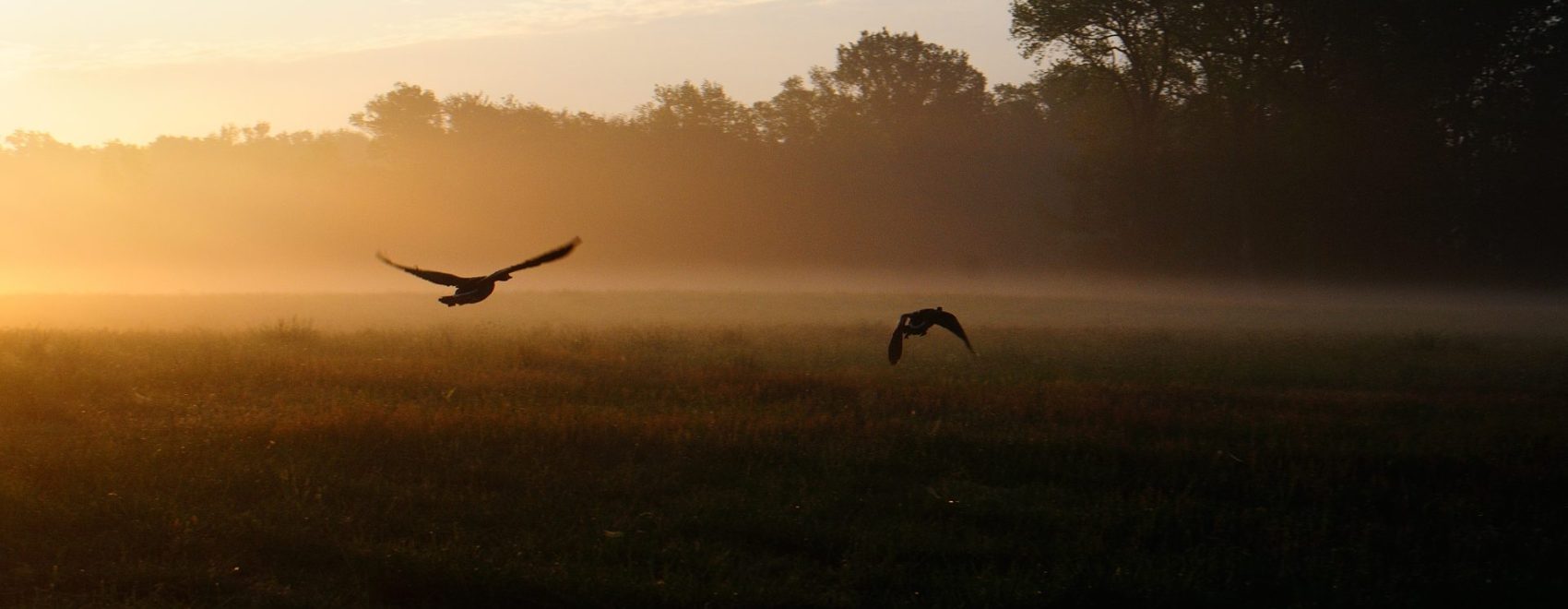
Every Spring and Fall, the miracle of migration can be seen. The night sky is filled with millions of birds attempting long, perilous journeys between their breeding grounds and wintering grounds.
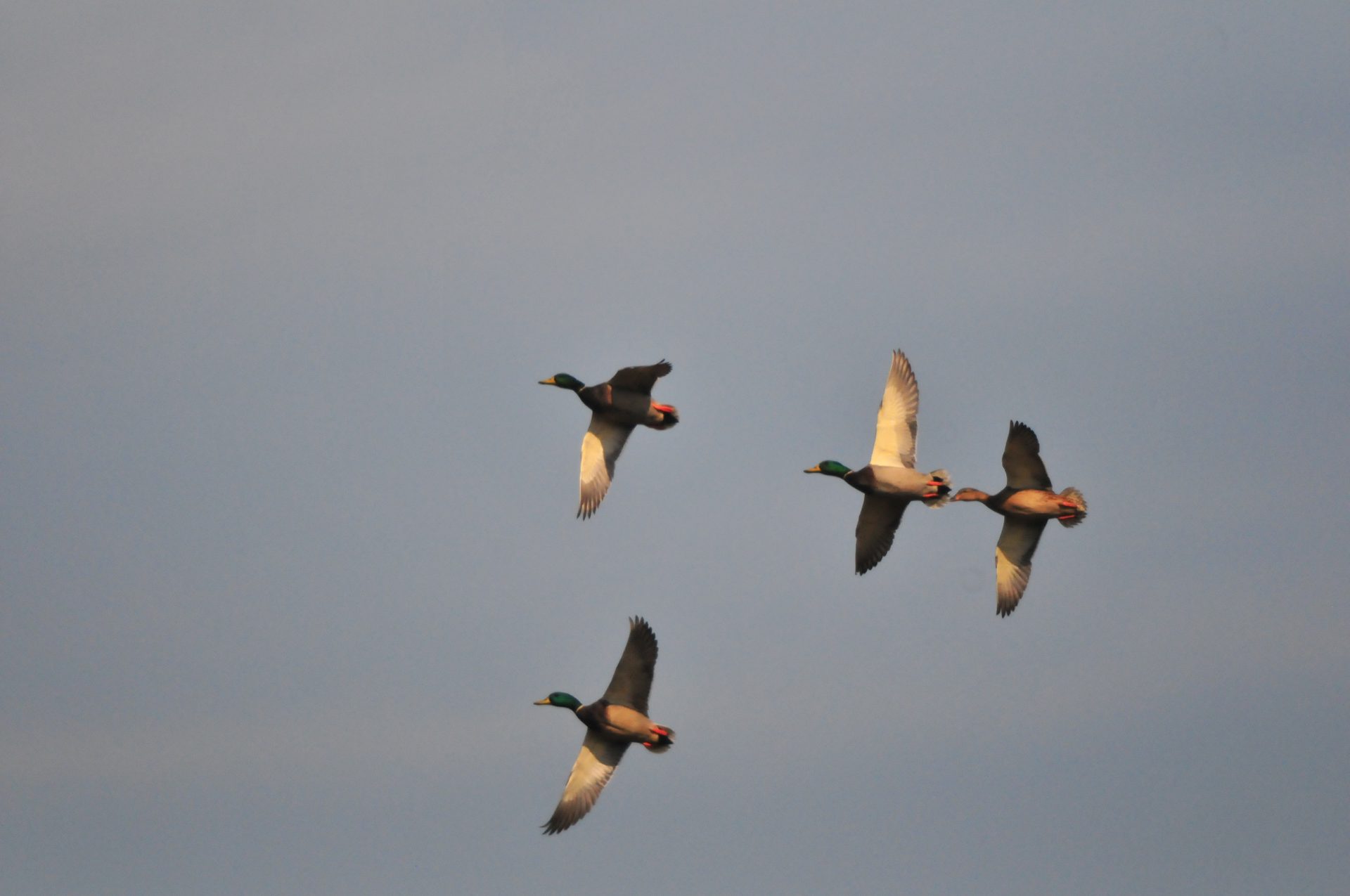
Thousands of bird species engage in the annual migration travel at night, when wind currents are smoother and the moon and stars guide their way.
The birds typically follow established flyways, generally north-south routes that offer the best opportunities for rest and refueling along the way. Multiple bird species share these flight paths as they contend with rough weather, dehydration, starvation, and the threat of predation.
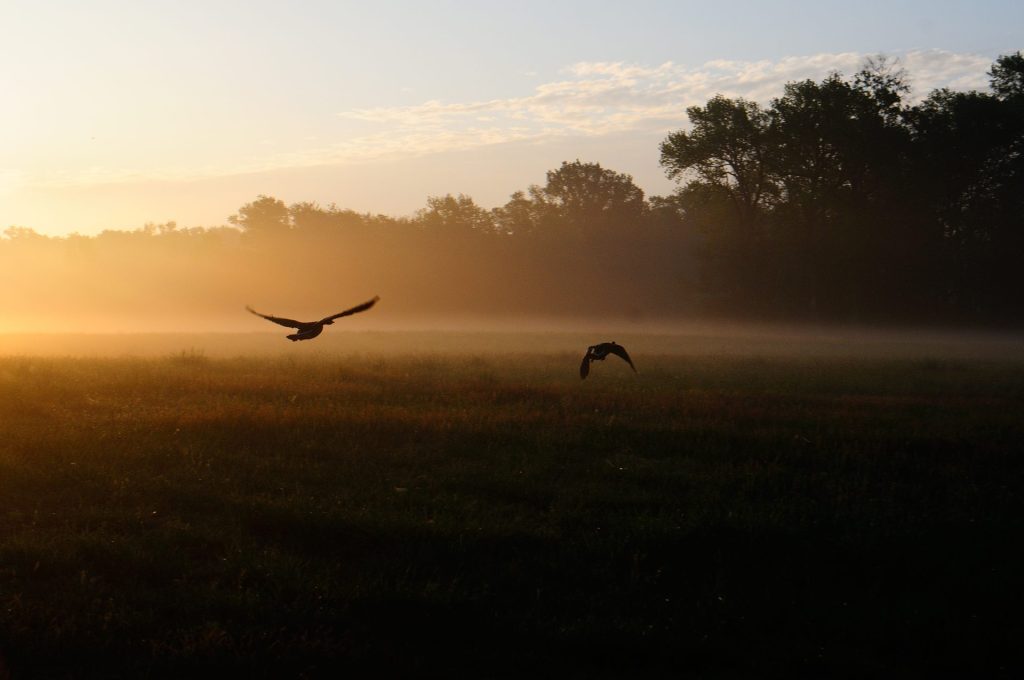
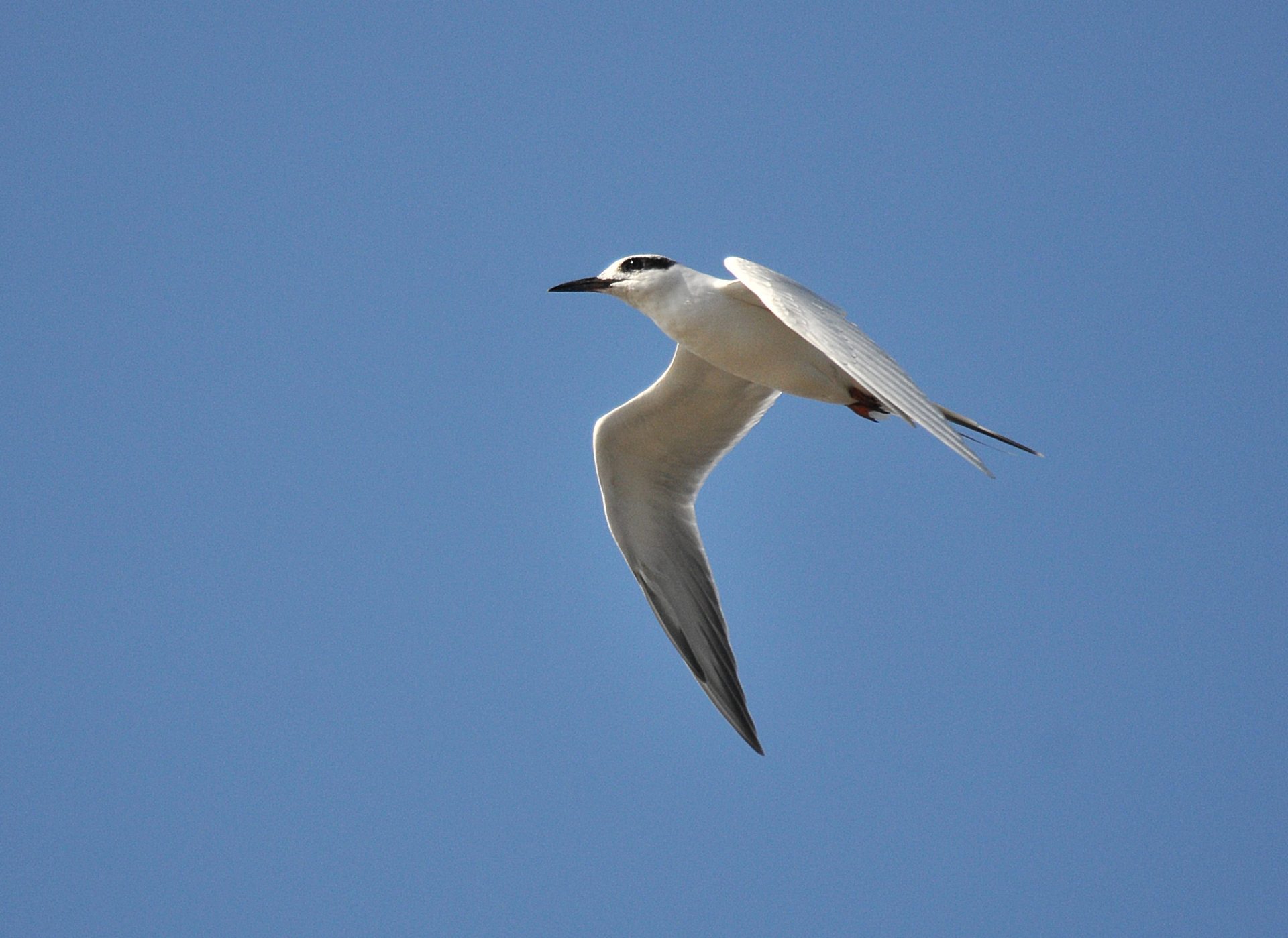
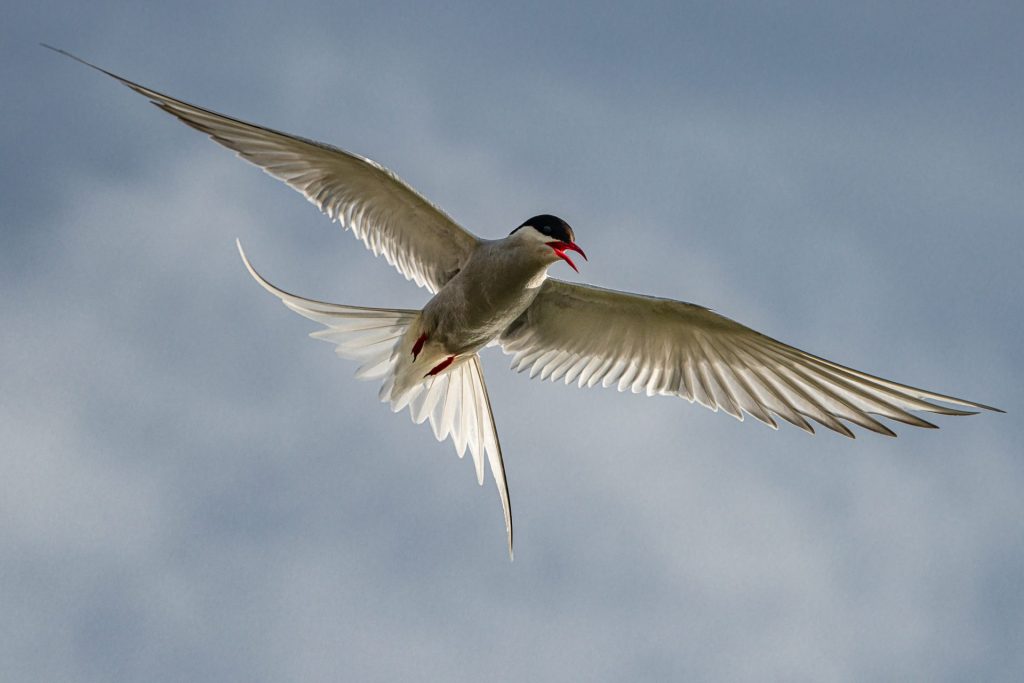
Arctic Terns, for example, undertake pole-to-pole roundtrips each year. A trip of 60,000 miles, a record believed to be the world’s longest migration of any animal! Other migrations involve birds flying east to west or up and down mountains. Even flightless birds migrate, such as the Adélie Penguin, make a nearly 8,000-mile trek across Antarctica.
Why some birds migrate and others don’t is an active field of research. Finding food is generally believed to be the main driver. Other motivations may include escape from inclement weather, and to reduce exposure to predators or parasites during breeding season.
Which birds migrate?
Roughly half of the world’s 11,000 known bird species migrate, including songbirds, shorebirds, waders and raptors. The northern Hemisphere has the most diverse array of migratory birds.
Some species of birds may be partial migrants, meaning that some of the population may migrate while others stay put, such as the Canada Goose and American Robin.
How do they know where to go?
In addition to celestial cues, such as the position of the sun, stars, and the moon, adult birds use a magnetic compass to navigate. This internal “GPS” can prevent them from getting lost.
Whether this navigational acumen is inherited and innate or learned is an ongoing debate. I believe it is roughly innate but some of the knowledge is learned from other birds on the way, like where to stop for food.
One way migratory birds may learn is by tuning into nocturnal flight calls from other migrating birds. Distinct from a bird species regular vocalization, these acoustic signals could especially guide the inexperienced, sometimes even those of other species.
How do they know when it’s time to fly?
For some birds, changes in environmental conditions, such as the length of the day, may trigger migration by stimulating hormones, telling the birds it’s time to fly.
Bird’s internal biological clocks can also detect when a season shifts, using cues such as changes in daylight and air temperature.
Once the birds are in migration mode, a feeding frenzy ensues. This allows the birds to accumulate fat to power their journeys
Local and regional weather conditions, such as rain, wind, and air temperatures can also influence decisions about when migratory birds take to the skies.
As scientists continue to unravel the mysteries of bird migration, the phenomenon remains one of nature’s great wonders.
Accokeek, Maryland, is home to a plethora of bird species. Become a member to schedule a private tour of the Wet Meadows where you can possibly find some birds starting their migratory journey or making a pit-stop!