Land as Teacher Historical Exhibit
A historical exhibit exploring the people, ideas, and landscapes
that shaped the Alice Ferguson Foundation
For more than a century, this landscape along the Potomac River has been a place of learning. From artists and writers to farmers, educators, and students, generations have gathered here to observe, create, experiment, and discover.
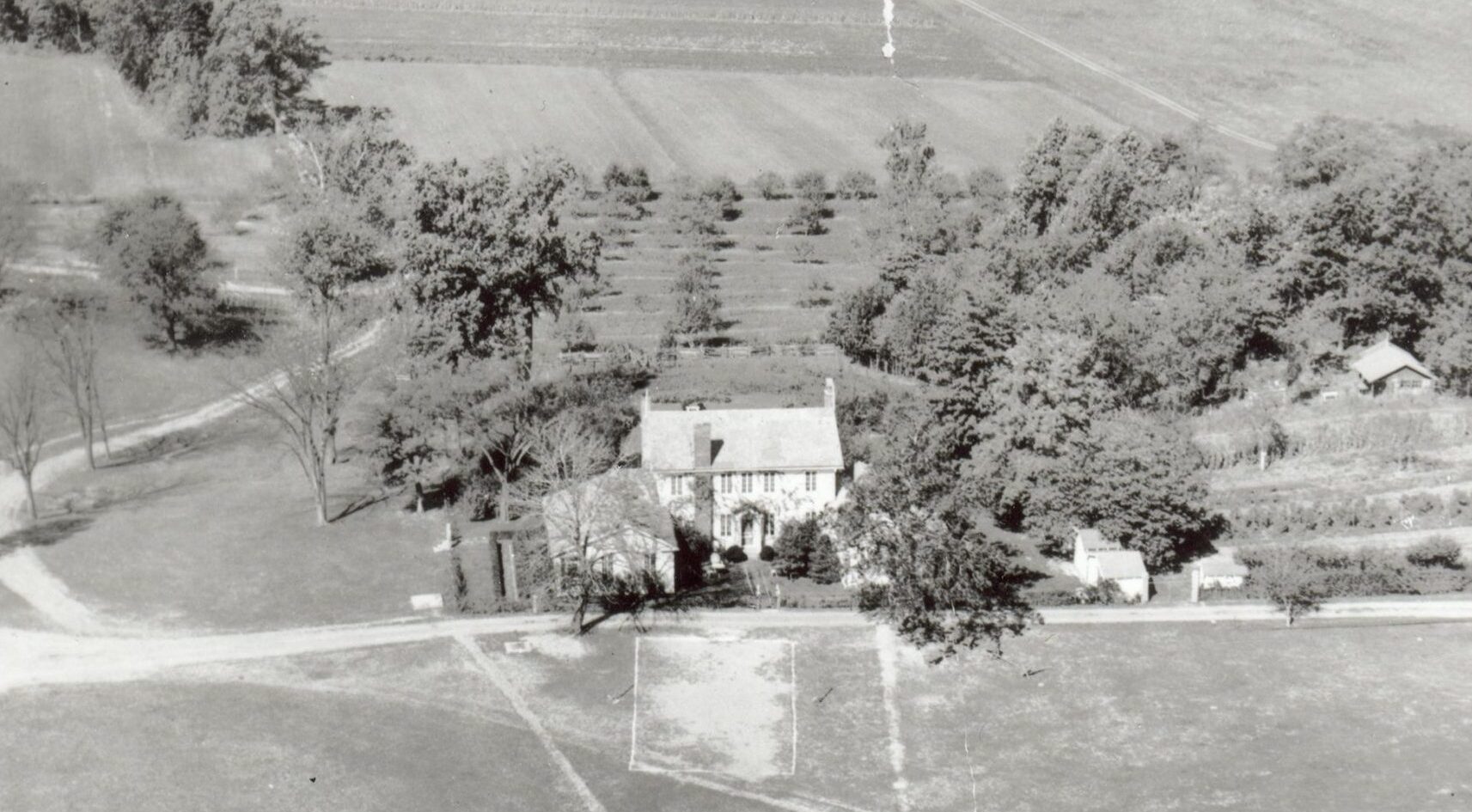
The Land as Teacher Historical Exhibit, located in the Foundation’s historic barn, traces the remarkable evolution of this place, from private farm and creative retreat to nationally recognized center for environmental education.
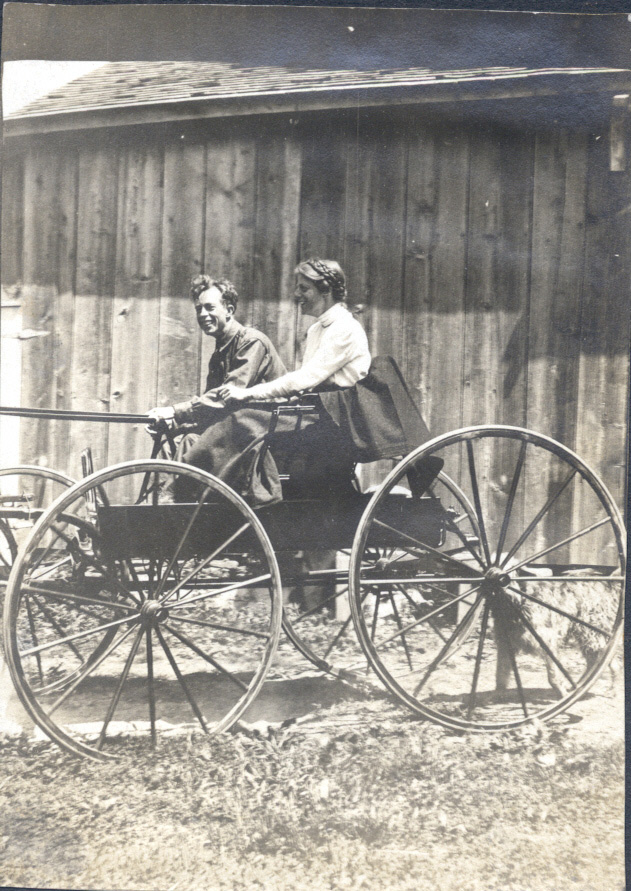
Through photographs, artifacts, and archival materials, the exhibit reveals how the land itself has shaped the people who came here — and how those people, in turn, shaped the future of environmental learning in the region.
A Century of Story
This story begins with the Piscataway people, the original stewards of this land, and continues with Alice and Henry Ferguson, whose vision laid the groundwork for the Alice Ferguson Foundation. Today, that legacy lives on as we look toward the future of environmental education and stewardship.
The timeline below traces the people, milestones, and moments that shaped this journey. The time periods featured here will be highlighted in our onsite historical exhibit this September, where visitors can explore the stories that continue to guide our work today.
Before the Fergusons
(Before the 1920s)
We recognize that the history of this land extends far beyond the Ferguson family’s story. Long before the Fergusons arrived, this land was home to the Piscataway people, its original stewards. As the Indigenous inhabitants, the Piscataway have shaped and continue to inspire our commitment to land protection and stewardship.
The Early Years of the Fergusons (1920s–1930s)
The story of the Alice Ferguson Foundation begins when Alice and Henry Ferguson purchased Hard Bargain Farm, captivated by the natural beauty of the Potomac River landscape.
What started as a working farm soon grew into a vibrant gathering place for artists, thinkers, and writers, all inspired by the peaceful countryside.
The land became a sanctuary where exploration, reflection, and artistic expression could thrive.
Building Community:
The Accokeek / Moyaone Reserve (1930s- 1940s)
During the 1930s, the region was involved in the Works Progress Administration (WPA). This era became part of a wider cultural movement that connected artists with American landscapes and communities.
Artists like Lenore Thomas Straus and others worked throughout Accokeek, capturing everyday life and the rural character of Southern Maryland. This era highlights the rich intersection of art, culture, and social history, including ties to notable figures such as Paul Robeson and other artists connected to the community.
Following World War II, the Accokeek–Moyaone Reserve was established as a community intentionally designed to preserve the area’s rural landscape and cultural heritage.
Residents came together to build key institutions that supported the growing community, including:
> The neighborhood itself
> The local school
> The library
> The volunteer firehouse
This period embodies the early spirit of stewardship and community collaboration that continues to guide and inspire the region today.
Founding the Alice Ferguson Foundation (1954)
In 1954, the Alice Ferguson Foundation was formally established, carrying forward Alice Ferguson’s vision of learning from the land. This exhibit highlights AFF’s early mission, core values, and the Foundation’s organizational beginnings, setting the stage for its ongoing commitment to education and stewardship.
Education and Environmental Leadership (1960s–1970s)
Over the following decades, the organization began expanding its environmental educational mission through:
> Teacher training programs
> Overnight environmental education programs
> Partnerships with Prince George’s and Charles County schools
At Hard Bargain Farm, students began participating in hands-on learning experiences, including the beloved milking program, connecting agricultural traditions with environmental education.This era also coincided with the creation of Piscataway Park, preserving the scenic viewshed of the Potomac River and protecting the cultural landscape of the region.
Stewardship in Action
(1980s–1990s)
By the 1980s and 1990s, the Foundation’s programs were reaching new audiences across the region.
Key milestones included
> The launch of the annual Potomac River Watershed Cleanup in the 1980s
> The creation of the Bridging the Watershed (BTW) program in partnership with the National Park Service in 1989
These programs connected students directly with the ecosystems of their local rivers and parks, helping build environmental literacy across the watershed.
Innovation and Sustainability (2000s–Present)
In the twenty-first century, the Foundation has continued expanding its commitment to sustainability and environmental leadership.
Major milestones include:
> The creation of the Living Shoreline, protecting the Potomac River’s edge while restoring natural habitat
> The construction of the Gwendolyn Cafritz Living Building (2015), one of the region’s most innovative sustainable education facilities
Today, the campus serves thousands of students each year through immersive programs that connect science, stewardship, and the natural world.
Event Details
Location
Historic Barn at the Alice Ferguson Foundation
2201 Bryan Point Road
Accokeek, Maryland
Dates
September 19 – 12:00pm to 7:00pm
September 20 – 12:00pm to 5:00pm
September 25 – 5:00pm to 7:00pm
September 26 – 11:00am – 2:00pm
Admission
Entry to Maryland 250 Historical Exhibit is free of charge and open to the public
Please Note: All Maryland 250 events are intended for ages 18+
Make It a Full Experience
The Historical Exhibit in the Barn is part of the Land as Home. Land as Muse. Land as Teacher. Maryland 250 series.
Experience the entire series with a Maryland 250 Bundle and take part in the full series of events celebrating art, history, and stewardship along the Potomac River.
$50 of every bundle ticket supports environmental education for children.
Because the next 250 years begin with the children we educate today.