
Written by Lauren Blejski, Environmental Educator
It’s that time of year again; the weather is warming and flowers are blooming. There are many efforts being made in the community to beautify everyone’s front yard. I see so many different perennials popping up. It is absolutely wonderful to see my neighborhood is coming back to life with people out and about again.
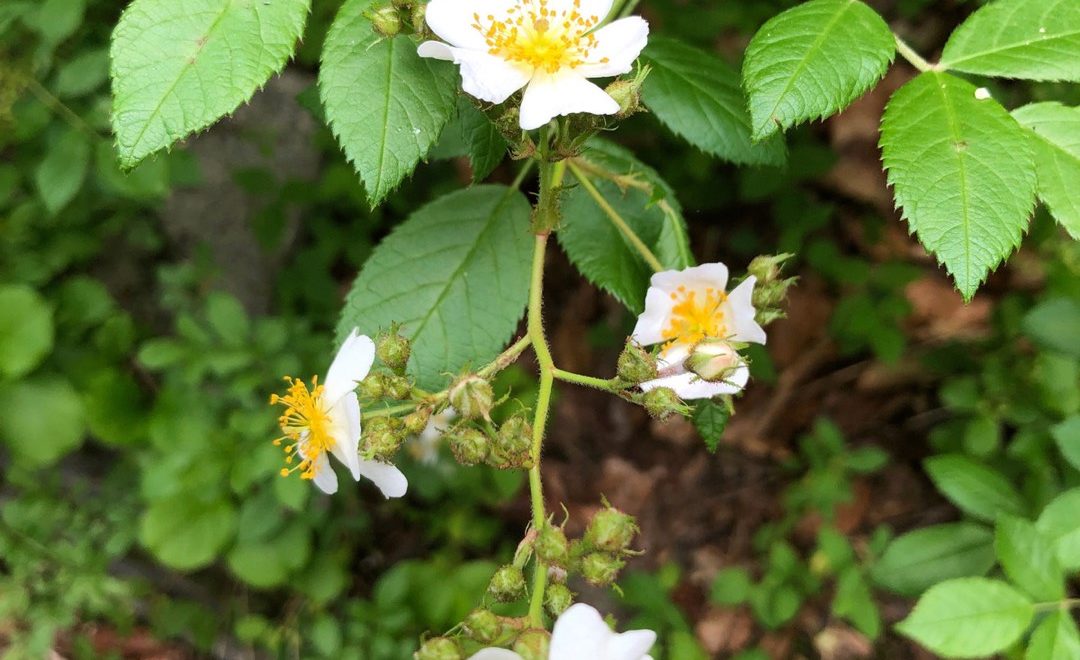
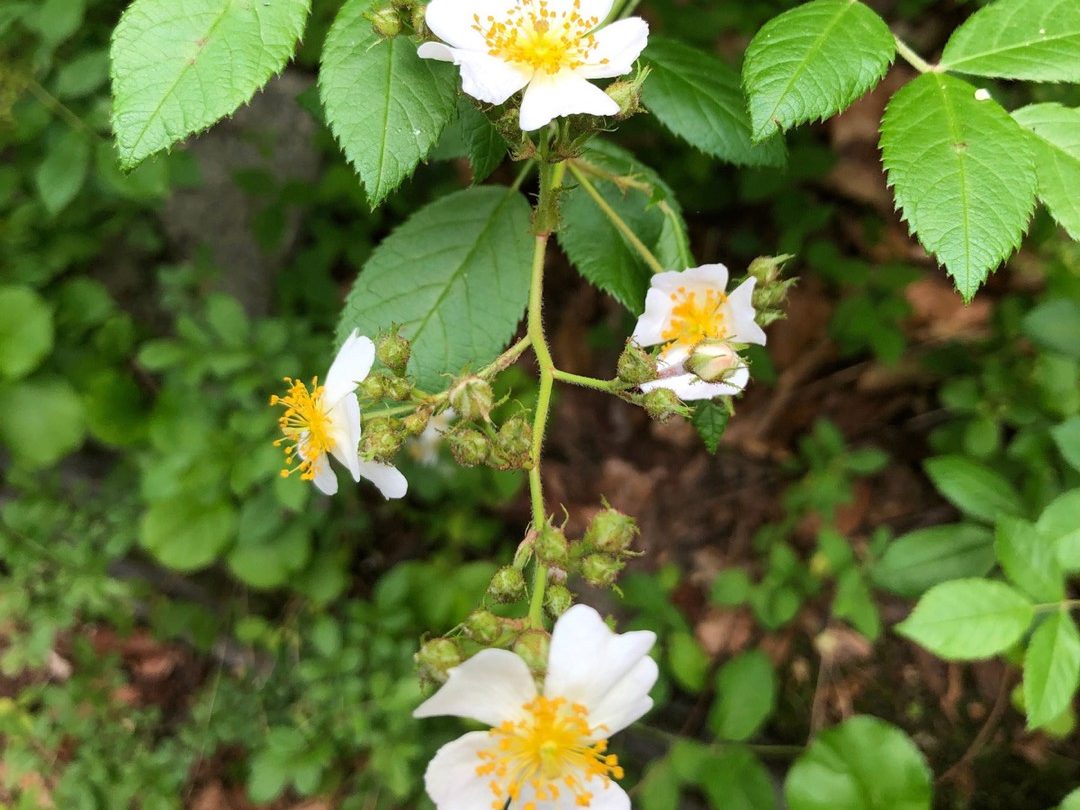
Every evening I walk the dogs, I can’t help but notice some invasive species too. The two most common I’ve seen are Multiflora rose (Rosa multiflora) and Japanese barberry (Berberis thunbergii). Both are pictured below.
(Rosa multiflora)
(Berberis thunbergii)
Most invasive plants that are used in landscaping are sold at major retailers. Consumers tend to buy what is offered to them at the store, not knowing the harm invasives pose to the ecosystem or what alternatives will still give their flower beds that stunning curb-appeal. As environmental educators we’re here to give you a few alternatives and resources to use as you plant those alluring gardens.
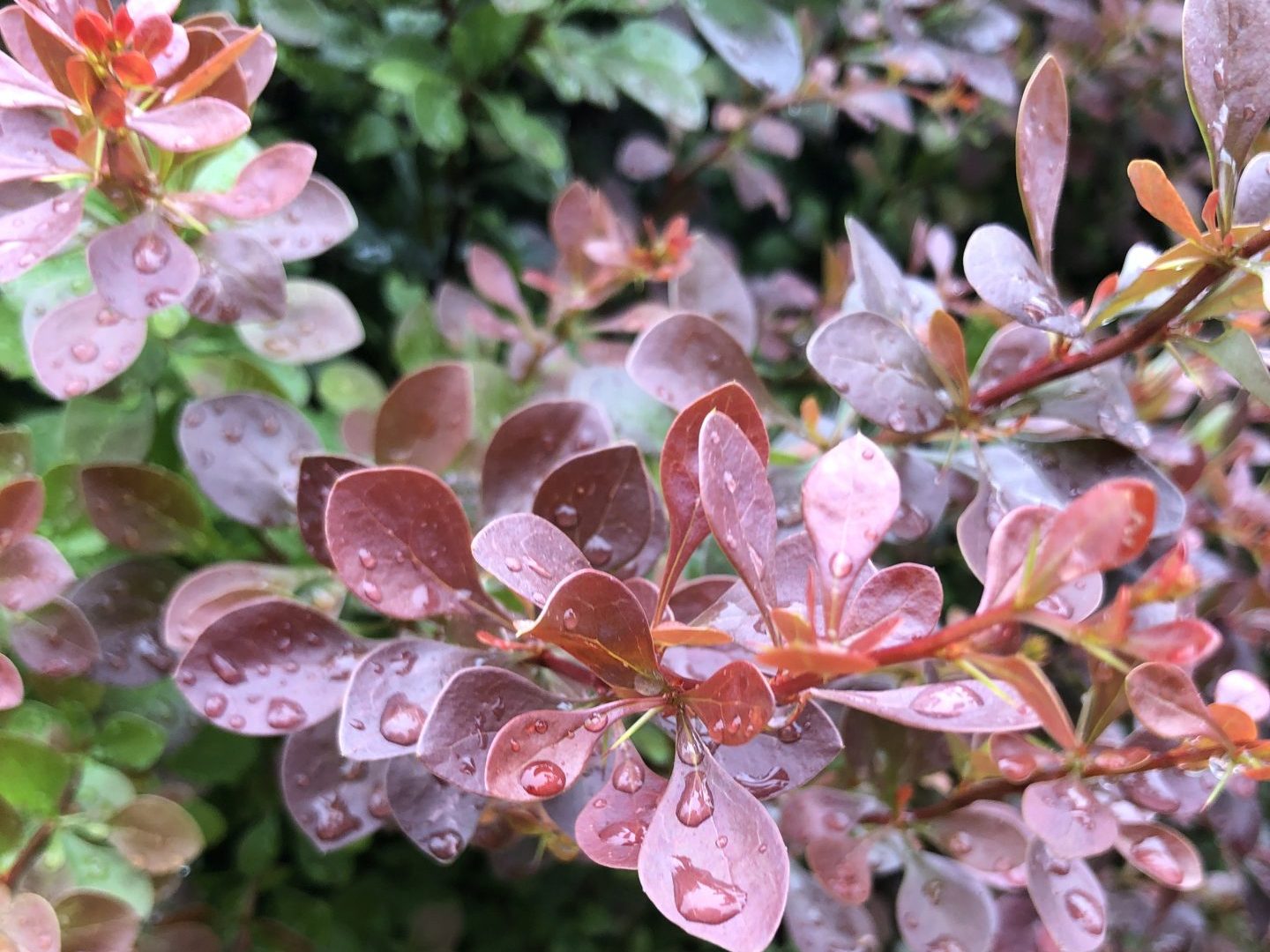
Want to plant Multiflora rose, plant pasture rose (Rosa carolina) instead. Want to plant Japanese barberry, plant Ninebark (Physocarpus opulifolius) instead. Take a look this article by the National Forest Service for more native plant alternatives! Or check out these native suggestions from the University of Maryland and Chesapeake Bay Trust.
(Rosa carolina)
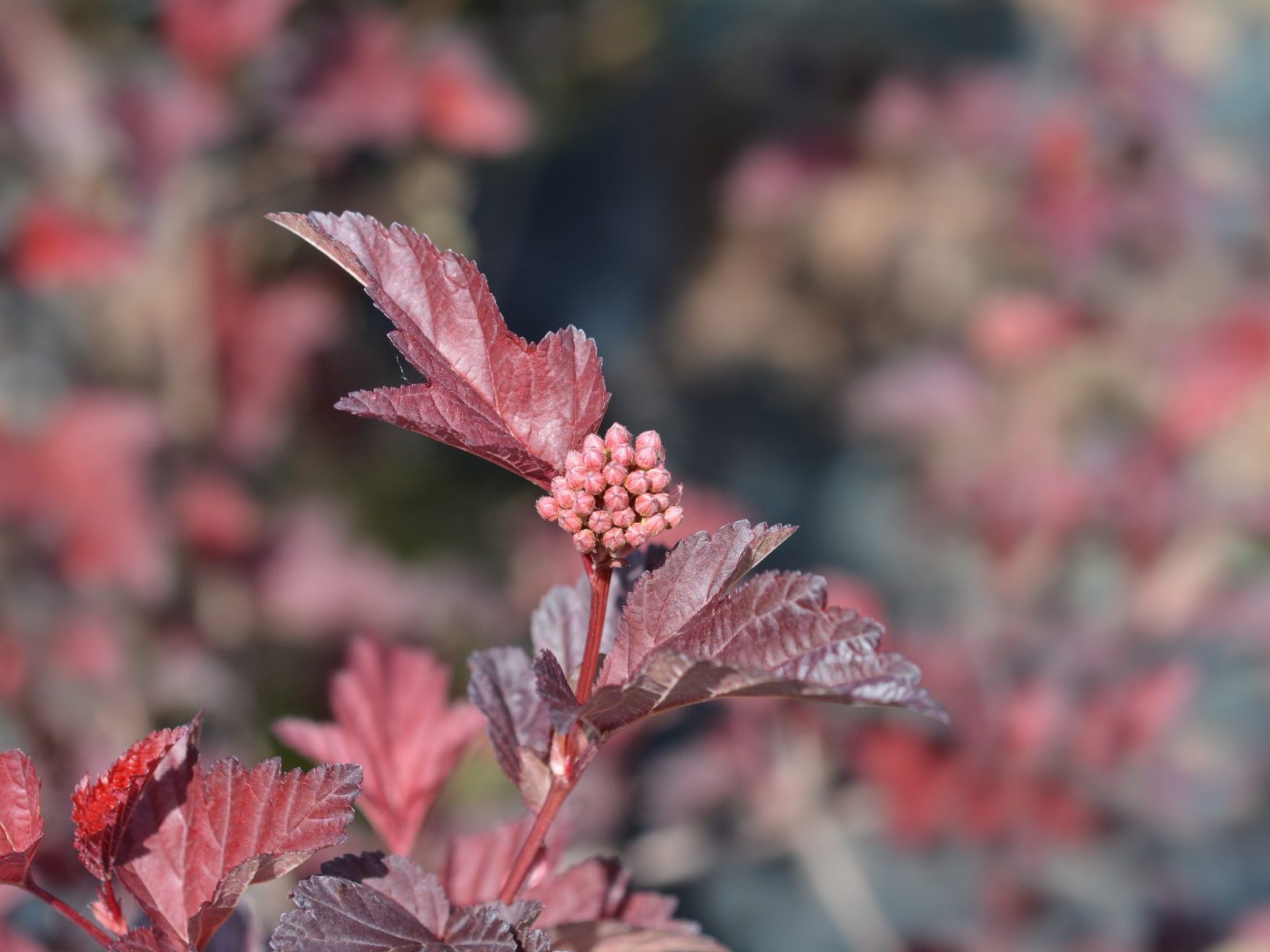
(Physocarpus opulifolius)
Every little step in removing invasives is a step in the right direction. Happy Planting!
Source Credits:
Extension.umd.edu. 2022. Recommended Native Plants for Maryland | University of Maryland Extension. [online] Available at: <https://extension.umd.edu/resource/recommended-native-plants-maryland> [Accessed 16 May 2022].
Fs.fed.us. 2022. Native Plant Alternatives. [online] Available at: <https://www.fs.fed.us/wildflowers/Native_Plant_Materials/Native_Gardening/alternatives.shtml> [Accessed 16 May 2022].
2022. Native Plant Species Selection Guide. [PDF] Chesapeake Bay Trust. Available at: <https://cbtrust.org/wp-content/uploads/External_Final-Trust-Draft-Plant-Species-Selection-Guide_May2021.pdf?bblinkid=258104598&bbemailid=37835365&bbejrid=-2037742369&bbeml=tp-gf0tSp-EiEqnoPlSf1w3nw.j1Ny4w8VYokK1PNIk0FvGdg.rGepkYJ2lR0WGigkQiT5IoA.l15ZbD7eR_0-SEEqlOvl–A> [Accessed 16 May 2022].