A Collaborative Path Toward Repatriation
The Alice Ferguson Foundation recognizes that the history of Hard Bargain Farm includes archaeological practices that removed human remains and cultural items from Piscataway ancestral lands. Over the past three years, the Foundation has worked in partnership with tribal leadership, the Smithsonian, and the National Park Service to understand this history and take meaningful steps toward repatriation. This page documents that work and the ongoing commitment to honoring the Piscataway people and their enduring connection to this land.
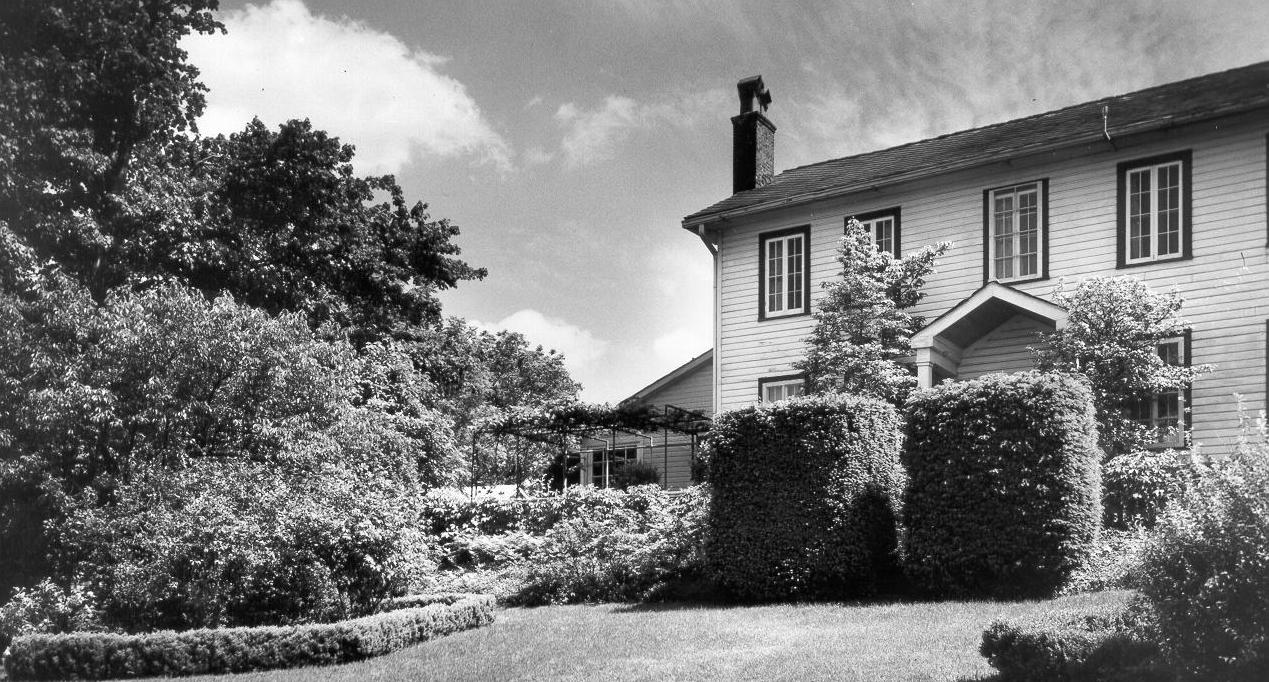
Between 1935 and 1940, excavations were conducted at “Hard Bargain Farm,” owned by artist Alice Ferguson and her husband, Henry Ferguson, a geologist with the U.S.Geological Survey. The excavations were directed by Alice Ferguson and focused on multiple sites located on and around the property, near the confluence of the Potomac River and Piscataway Creek in Prince George’s County, Maryland. All of the sites excavated during this period were broadly referred to as the “Accokeek Creek Site.” A substantial portion of the collections, primarily human remains, was transferred to the Smithsonian’s National Museum of Natural History. Many of these materials originated from an area Ferguson identified as the “Moyaone Village.”
Other items unearthed from the excavations namely pottery, jewelry, coins, and beads remained with the Alice Ferguson Foundation. For a time, these items were displayed at the Accokeek School and Library opened by the Fergusons in 1932. When the school and library closed, the items were returned to the Foundation.
Alice Ferguson passed away in 1951 and that same year, Henry Ferguson donated the land known as “Hard Bargain Farm” to the community. In 1954, with the support and encouragement of neighbors, Henry Ferguson created the non-profit organization, The Alice Ferguson Foundation (AFF), to commemorate the contributions made by his late wife, Alice Ferguson.
In 2022, Theresa Cullen, the Executive Director of the Alice Ferguson Foundation, was contacted by Dr. Julia King of St. Mary’s College of Maryland. Dr. King, who was hired by the National Park Service to review repositories in the Southern Maryland region, visited the Foundation along with National Park Service archeologist Dr. Jason Theuer. It was determined shortly thereafter that the items in the Foundation’s possession would fall under the guidelines of NAGPRA – the Native American Graves Protection and Repatriation Act, a 1990 U.S. federal law protecting Native American human remains, funerary objects, sacred objects, and objects of cultural patrimony, requiring federal agencies and institutions receiving federal funds to inventory, consult, and repatriate these items to lineal descendants, tribes, and Native Hawaiian organizations.
After consultation with Chief Mark Tayac of the Piscataway Indian Nation, Ms. Cullen connected with Dr. Eric Hollinger of the Smithsonian National Museum of Natural History (NMNH) located in Landover, Maryland in January of 2024. Dr. Hollinger visited the Foundation’s offices where Ms. Cullen shared the inventory and items from the excavations. With tribal consent, it was determined that the Smithsonian would remove the items, determine the location of the items retrieval and attempt to reunite items with human remains.
The Foundation continues to work with the Piscataway Tribes for fulfillment of the repatriation process.