Skip to content
  • Skip to primary navigation
  • Skip to main content
Alice Ferguson Foundation

Alice Ferguson Foundation

Connecting people to the natural world, sustainable agricultural practices and the cultural heritage of their local watershed through education, stewardship and advocacy.

  • Ways To Support
    • Donate
    • Become A Member
    • Corporate
    • Maryland 250 Events
    • Pinot on the Potomac
    • Volunteer With Us
  • Who We Are
    • About Us
    • Our Team
    • Our History
    • Board of Directors
    • Our Partners & Sponsors
    • News & Stories
  • Programs
    • Education Programs
    • Professional Development
    • Camps
      • Spring Adventure Camp
      • Summer Adventure Camp
      • Women in Nature Camp
    • Outdoor Experiences
    • Family & Community Programs
  • Cleanups
    • Find a Cleanup
    • Lead a Cleanup
    • Potomac River Watershed Cleanup
    • Community Action
  • Visit Us
    • Upcoming Events
    • Bird Watching
    • Our Facilities
    • Our Living Building and Shoreline
  • Event Hosting
    • Plan Your Event
    • Build Your Experience
  • Resources
  • Contact
  • Show Search
Hide Search
Home » Resources

Welcome to the Resource Library

Thank you for using and sharing our free resources with your networks. To keep this resource library accessible to all, consider donating a gift.

Give Today
Visible Trash Survey
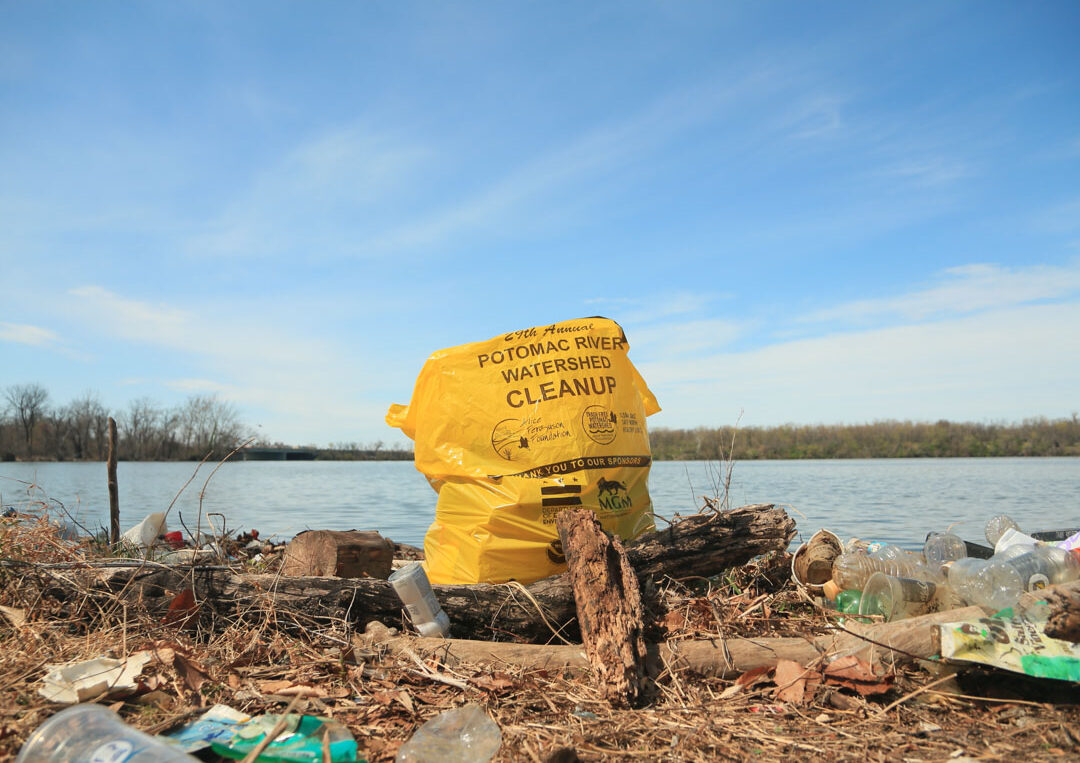
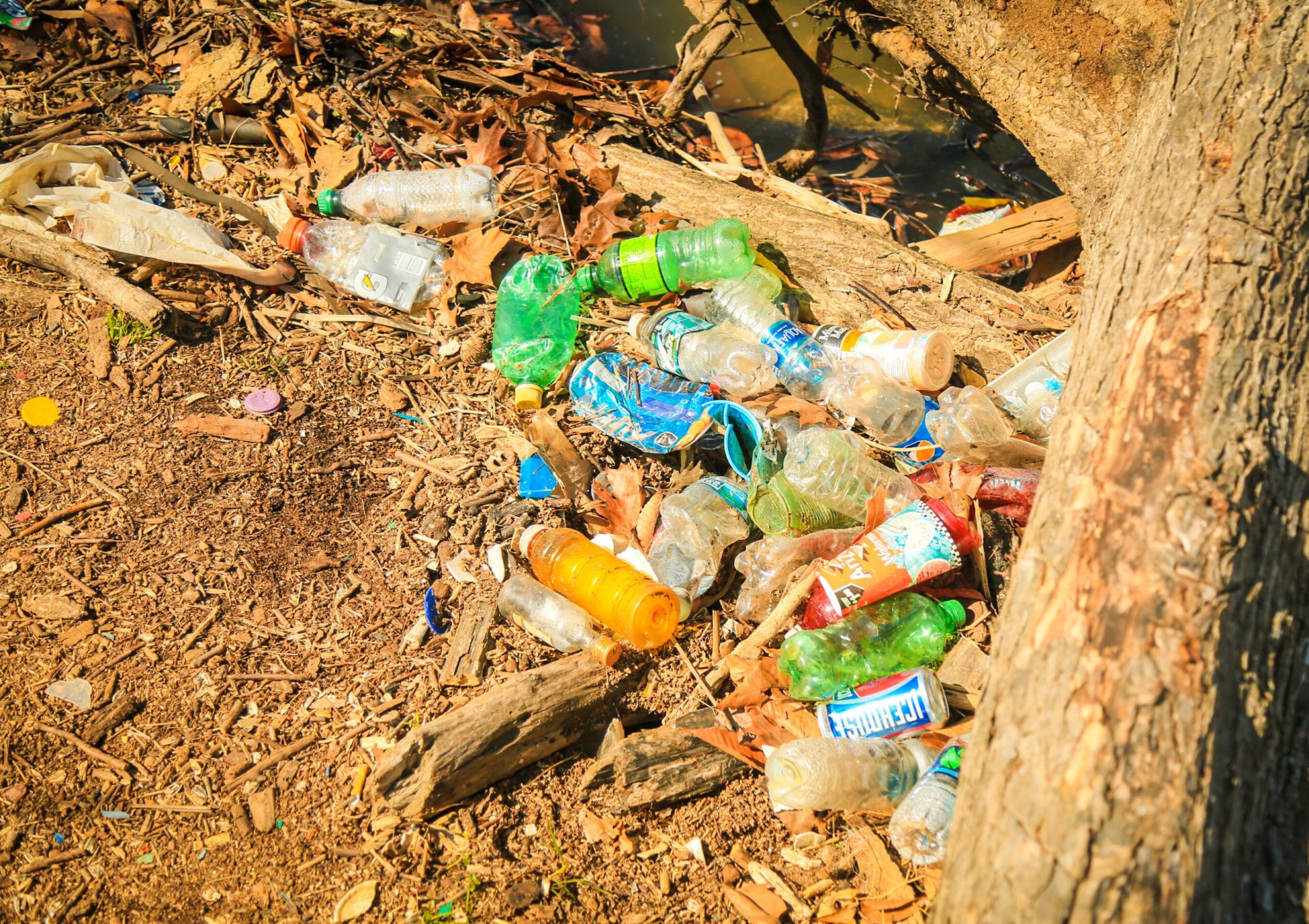
The Potomac River is used for recreation and as a major water source for people in the Washington, DC, metropolitan area. The Visible Trash Survey is an important tool for monitoring the sources and composition of land-based trash in our watershed. Analyzing the trash data collected through this program provides information in directing efforts and resources towards trash and litter reduction. The survey involves categorizing and counting visible trash along a 200 foot length along a body of water, road or land, within the confines of the Potomac River watershed. Visible Trash Survey volunteers spend approximately an hour of their time per site and you may certainly monitor more than one site. (Please note that you must receive permission by the landowner to monitor a site located on private property.)
Site Survey Counts | Volunteer Release | Landowner Release Form | Instructions | Handbook | Volunteer Evaluations | Site Description Form | Follow-Up: Community Action Plan
1112All Ages
watershedstrash & waste reductionrunoff & stormwaterwater quality
Outdoor Activities
Talkin’ Trash
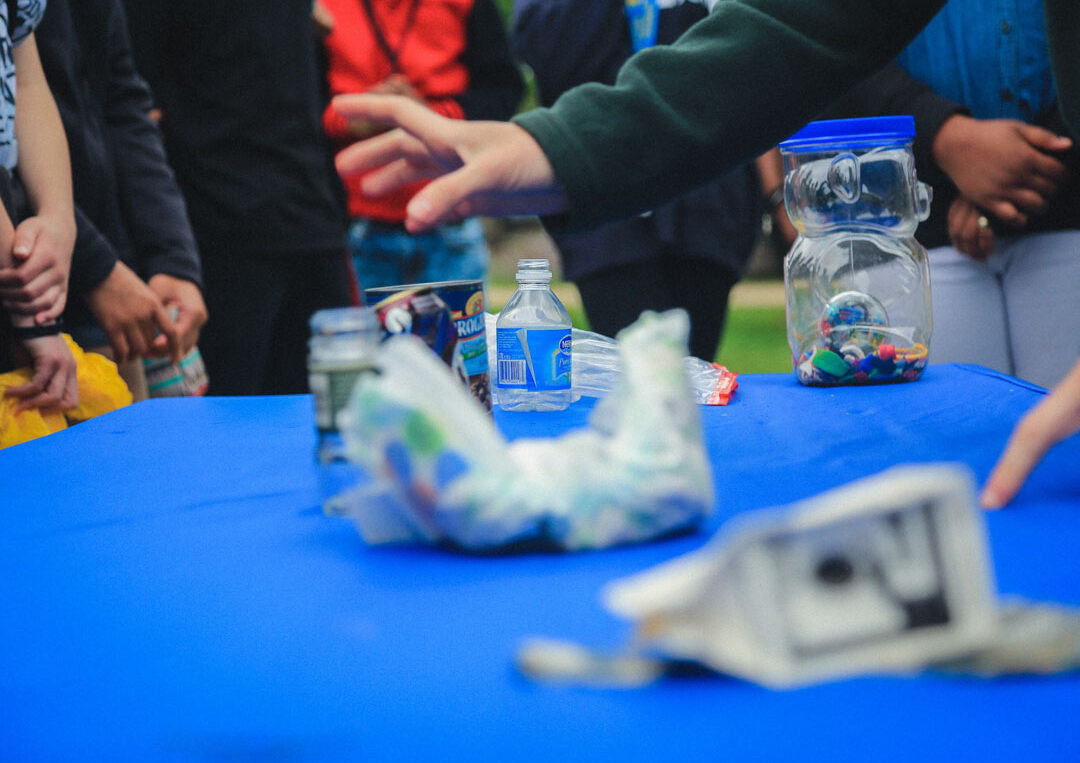
This resource contains the lesson plan for teachers and additional documents needed for students to participate in the "Talkin' Trash" module.
Trash Timeline Lesson plan | Trash Timeline Cards | School Yard Cleanup
56789101112Teachers
trash & waste reduction
Lesson PlansClassroom ActivitiesOutdoor Activities
Trash Timeline Worksheet
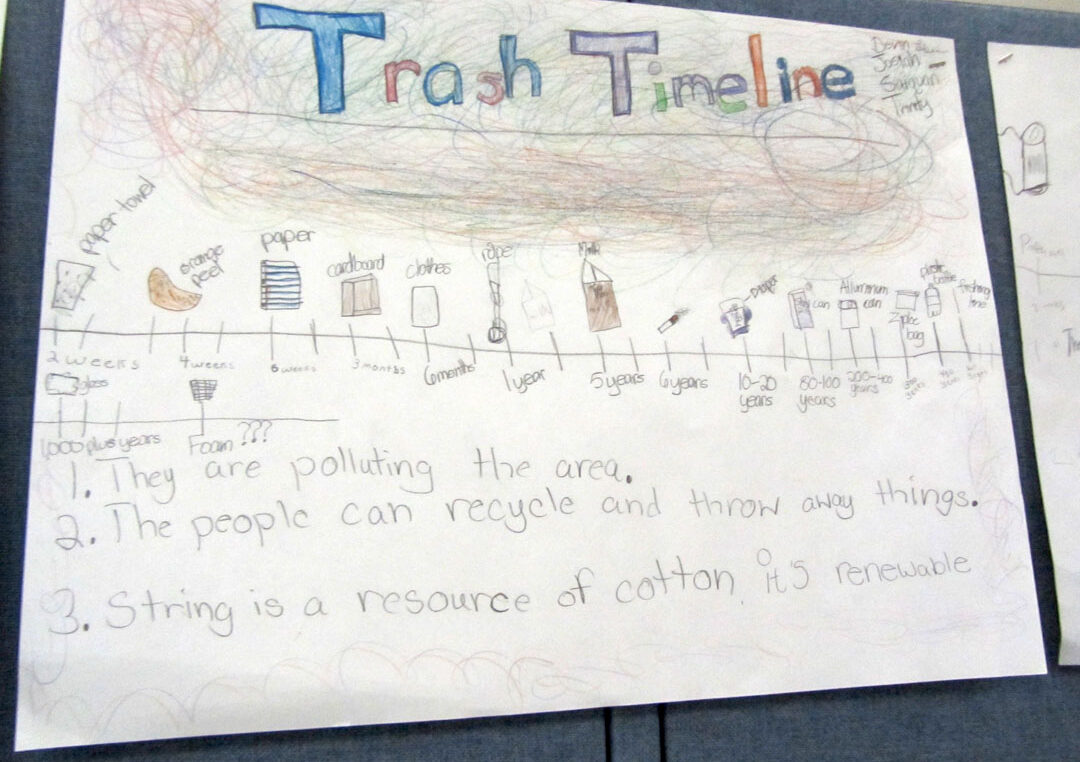
This worksheet allows students to match items commonly found in the trash with the length of time it takes to decompose if left in the environment.
Trash Timeline Worksheet
9101112
trash & waste reductionwater quality
GameClassroom Activities
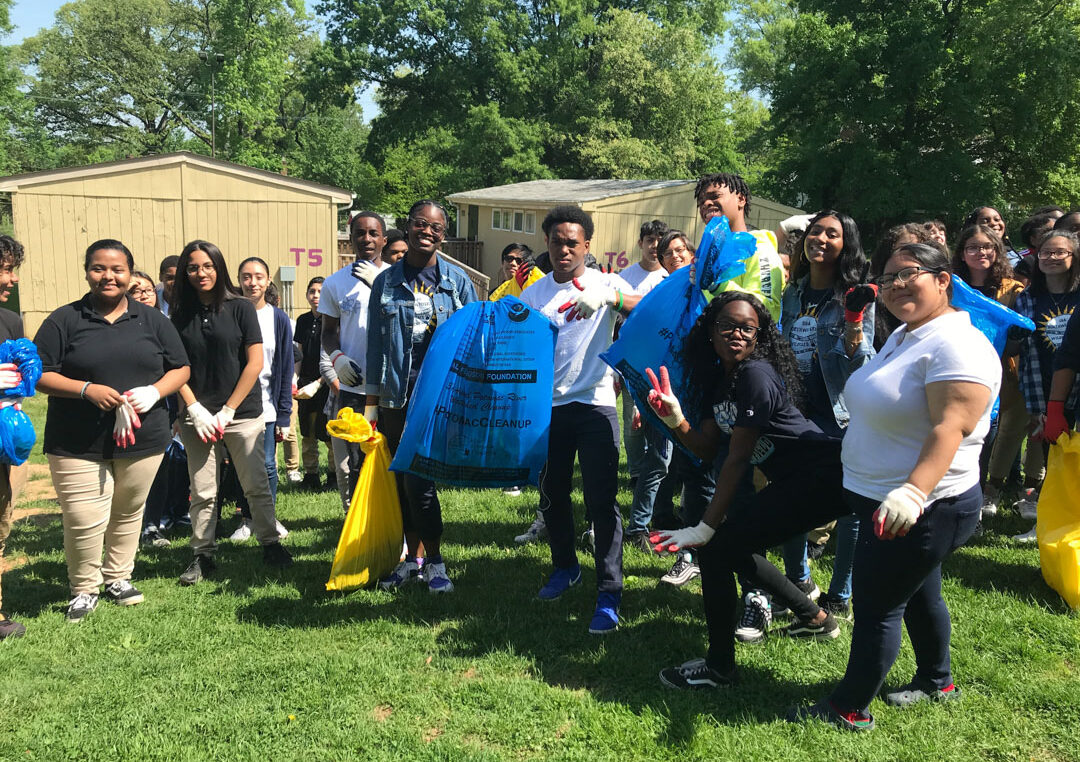
Trash Free Schools Guidebook
This guidebook will help schools reduce waste and litter by educating and empowering the entire school in direct environmental action. Educators can use this guidebook to engage students while teaching the process of how to recognize, investigate, and take action on an environmental issue.
Trash Free Schools Guidebook | Trash Audit Data Sheet
456789101112
trash & waste reduction
Teacher Resource
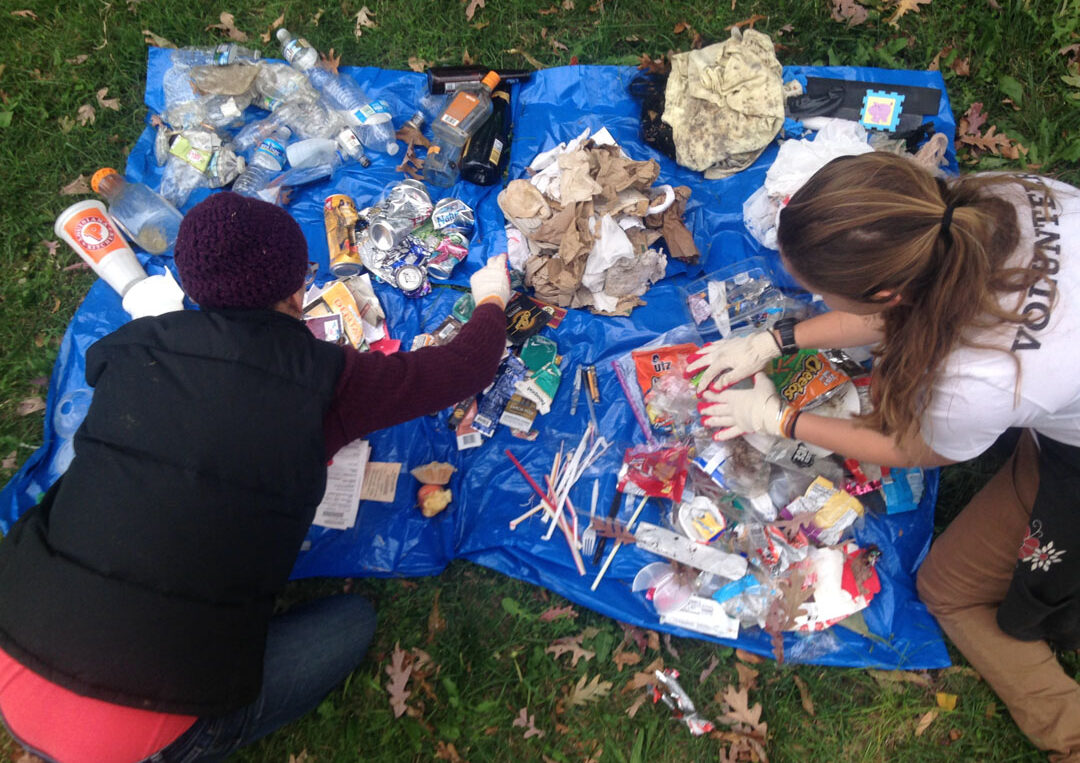
Trash Tally Activity
During the Trash Tally, students will collect and analyze trash to understand how much of it could or should have been recycled. This activity will serve two purposes: 1. Students do a public service by collecting trash; and 2. By analyzing that trash, students will become more aware of how they might be contributing to the trash problem.
Trash Tally
567
trash & waste reduction
Lesson PlansOutdoor Activities
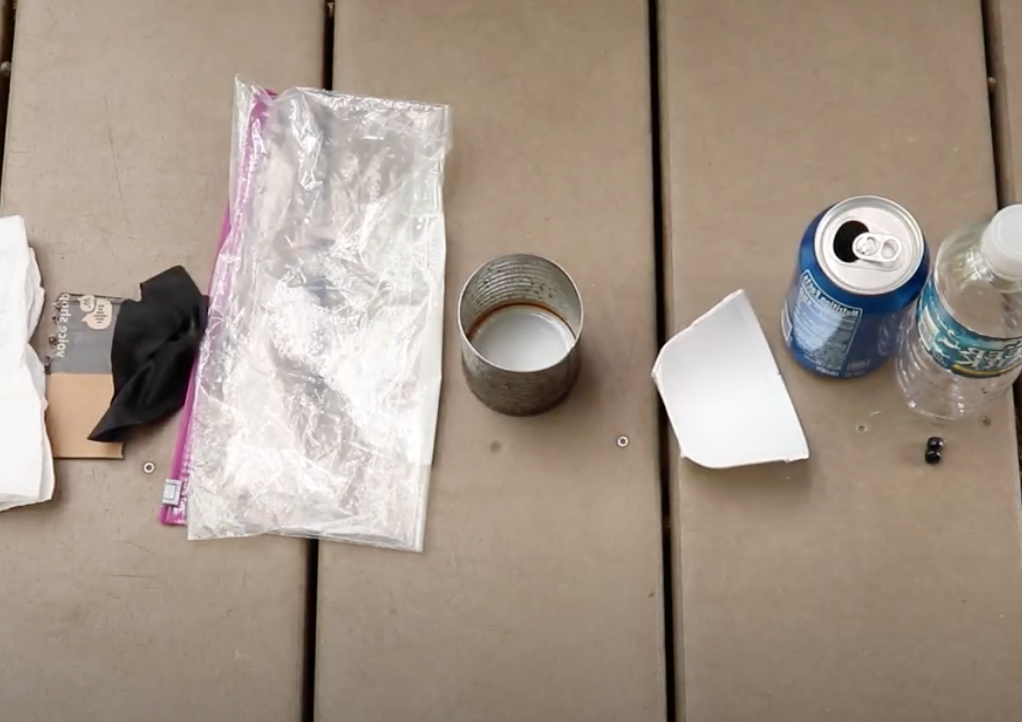
Trash Timeline Activity
Students will use common household objects to create a visual timeline depicting the rate of biodegradation of different materials.
Trash Timeline
23456
energy & sustainabilitytrash & waste reduction
Lesson PlansClassroom ActivitiesOutdoor Activities
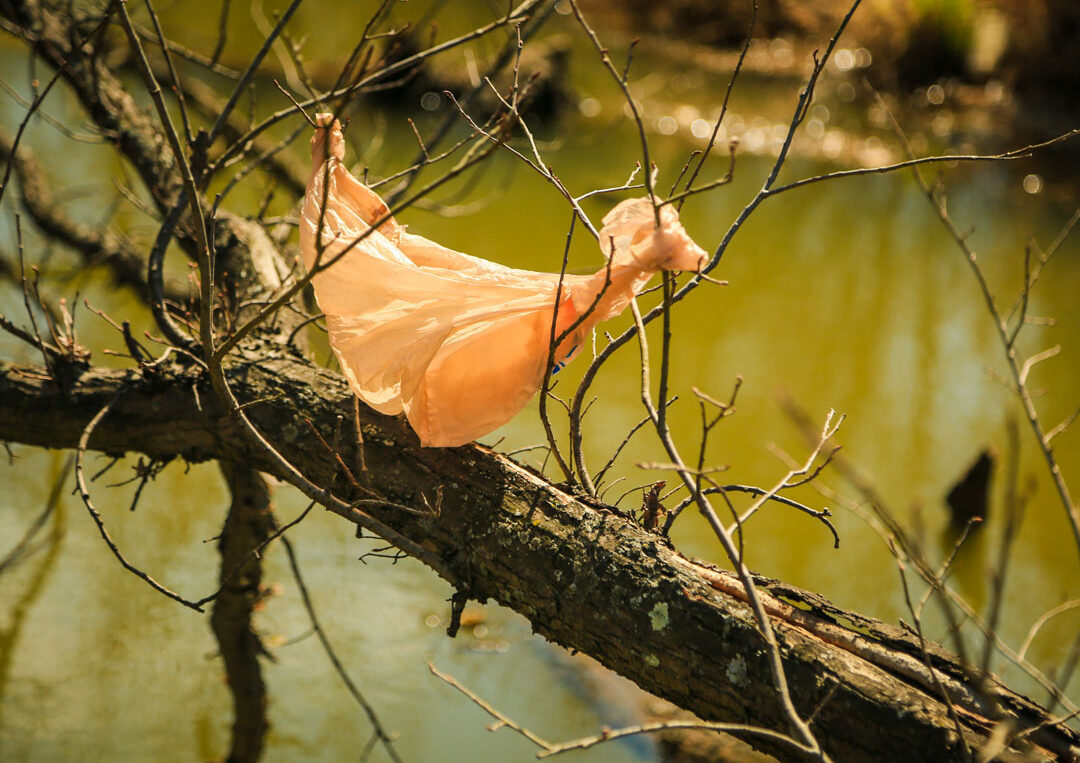
Trash & Watershed
This resource was created by Living Classrooms. Students will explore (through video) the way trash travels through the watershed, how long trash stays in the water, and its impact on the water.
Video: Watershed & Trash | Lesson Plan: Trash & Watershed
45
watershedsecosystems & habitatstrash & waste reductionrunoff & stormwater
Lesson PlansClassroom ActivitiesOnline ActivitiesVideos
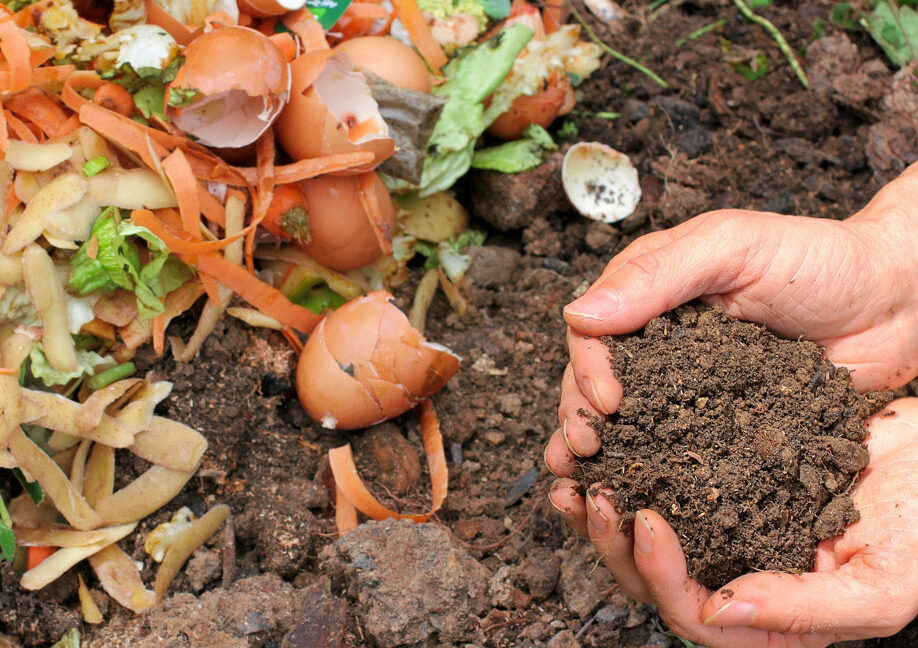
What is Composting?
Students will explore the energy cycle and the use of decomposers feeding on different ingredients to create compost and how composting is important to reduce trash in our environment. Students will also explore what happens in a worm composting bin by observing how nature recycles, turning food matter into rich organic soil.
Worksheet: Composting | Lesson Plan: Composting | Composting Energy Cycle
5
energy & sustainabilitytrash & waste reduction
Lesson PlansOutdoor ActivitiesVideos
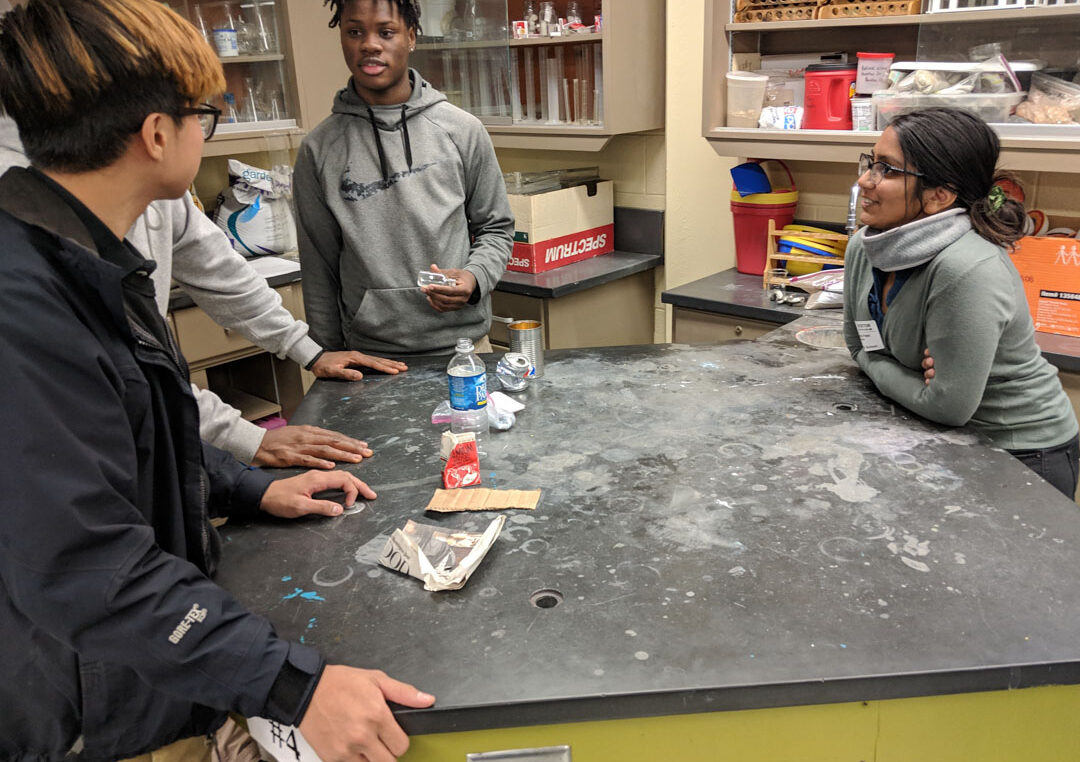
Trash Timeline
Students will use common items found during trash cleanups to create a visual timeline depicting the rate of biodegradation if these articles of trash were left in our environment.
Video: Trash Free Lunch | Lesson Plan: Trash Timeline |
56789101112
watershedsenergy & sustainabilitytrash & waste reductionrunoff & stormwater
Lesson PlansClassroom ActivitiesOutdoor ActivitiesVideos
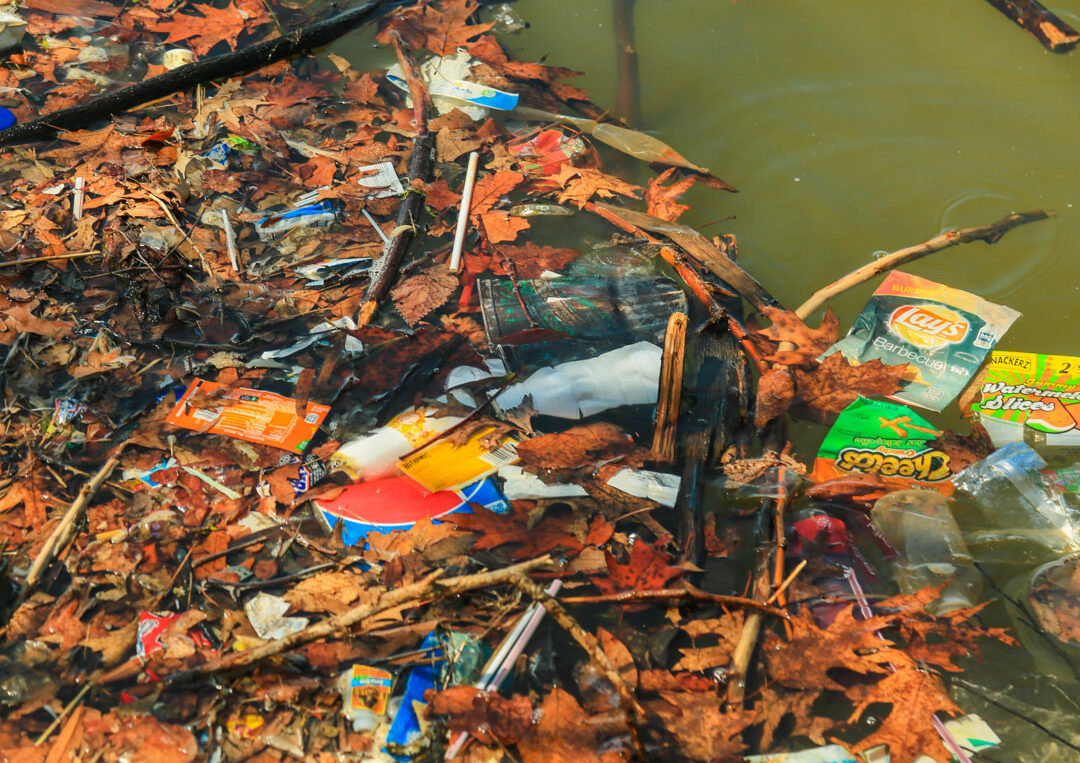
Talkin’ Trash: Out Of Sight, But Still There
When you throw something away, where is "away"? Away is an actual place. Every time you throw something AWAY, it goes to a landfill or an incinerator. When there is no more space in a landfill, a new landfill has to be built. Find out what happens to trash once it goes to the curb or into the dumpster. You'll test your knowledge on how long it actually takes some of the things we throw away to break down and learn what we can all do to help.
Webinar: Talkin' Trash
56789101112
trash & waste reductionrunoff & stormwater
Videos
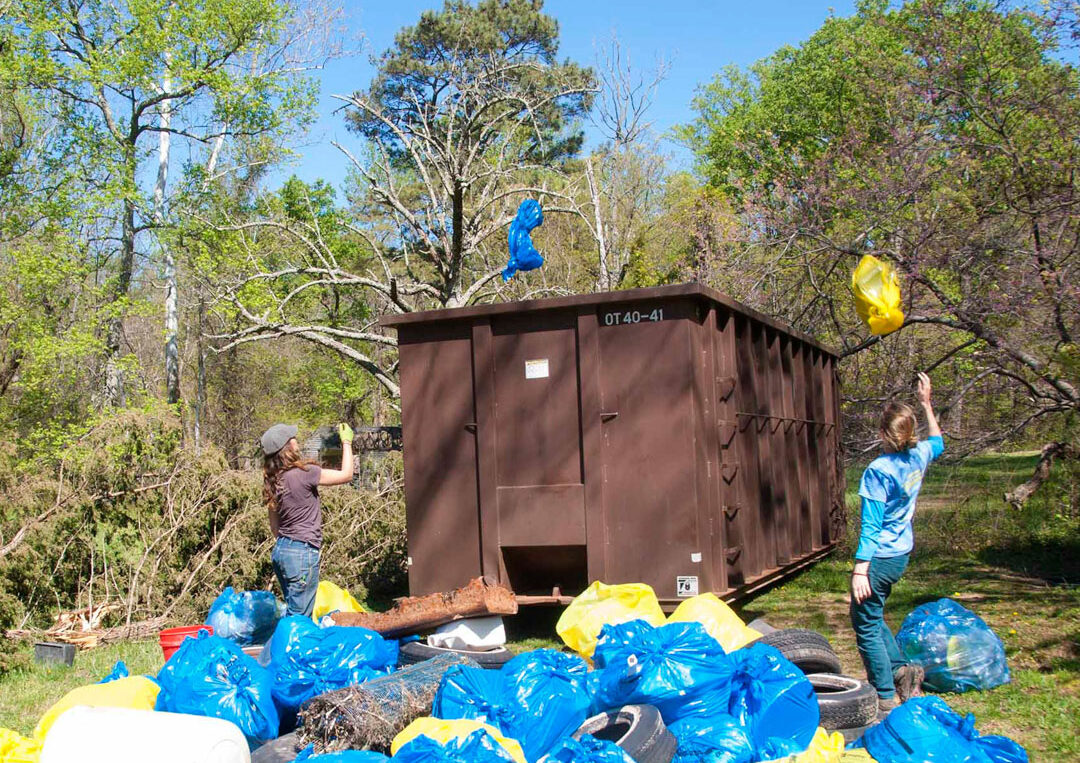
Take Out the Trash Game
Take Out the Trash helps students learn how to Rethink, Reduce, Reuse and Recycle in order to become better environmental stewards. Activities include packing a “Trash Free Lunch” online, comparing and ranking lunches, “Trash Sorting”, and analyzing their lunch trash data collected during the field trip.
Take out the Trash
Pre-K12345678
Game
Take Out the Trash Lesson
Take Out the Trash helps students learn how to Rethink, Reduce, Reuse and Recycle in order to become better environmental stewards. Activities include packing a “Trash Free Lunch” online, comparing and ranking lunches, “Trash Sorting”, and analyzing their lunch trash data collected during the field trip. Recommended as a preparation activity for any of the courses offered at the Alice Ferguson Foundation.
Take Out the Trash Lesson Plan | Take Out the Trash Interactive Online Activity | Supplemental Resource: Video
3456
trash & waste reduction
GameLesson PlansOnline ActivitiesVideos
Explore more

News & Stories Contact Join the Team Donate

Footer

Land Acknowledgement
We acknowledge that the land we use today is the
traditional land of the Piscataway people.
We are learning (and living) on their territory, honoring
their culture and we are enormously grateful for their
stewardship of the land.

2001 Bryan Point Road,
Accokeek, Maryland 20607
301-292-5665
info@fergusonfoundation.org


© 2026 Alice Ferguson Foundation

  • Email
  • Facebook
  • Instagram
  • LinkedIn
  • Twitter
  • YouTube